Piled Raft Foundations
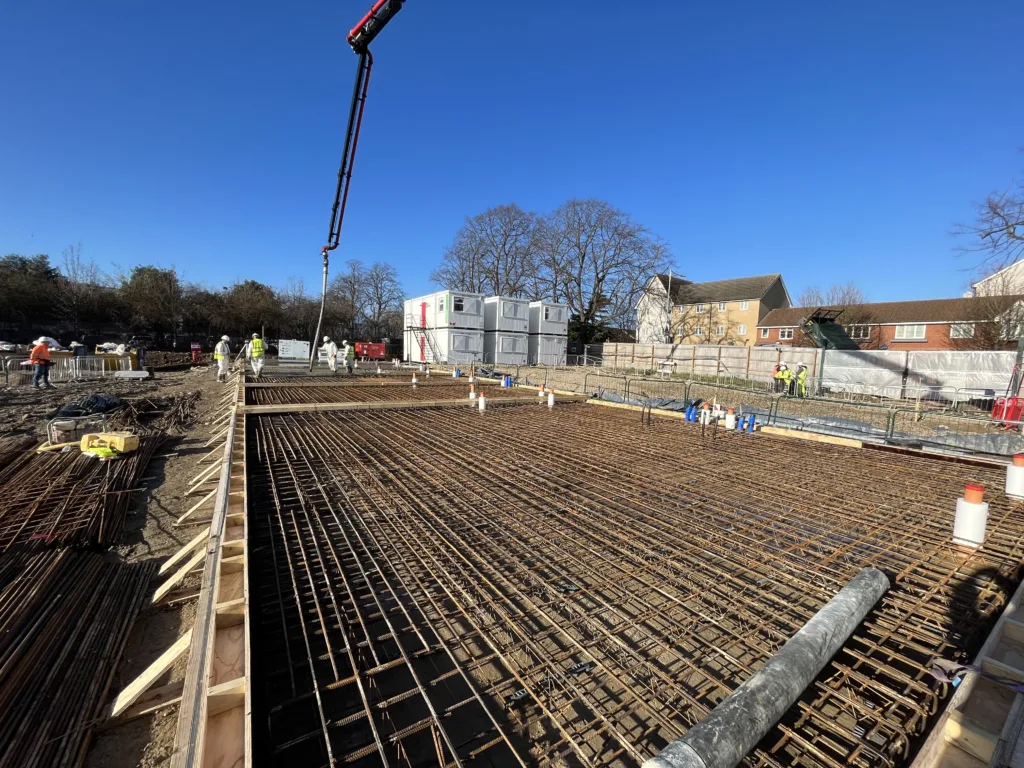
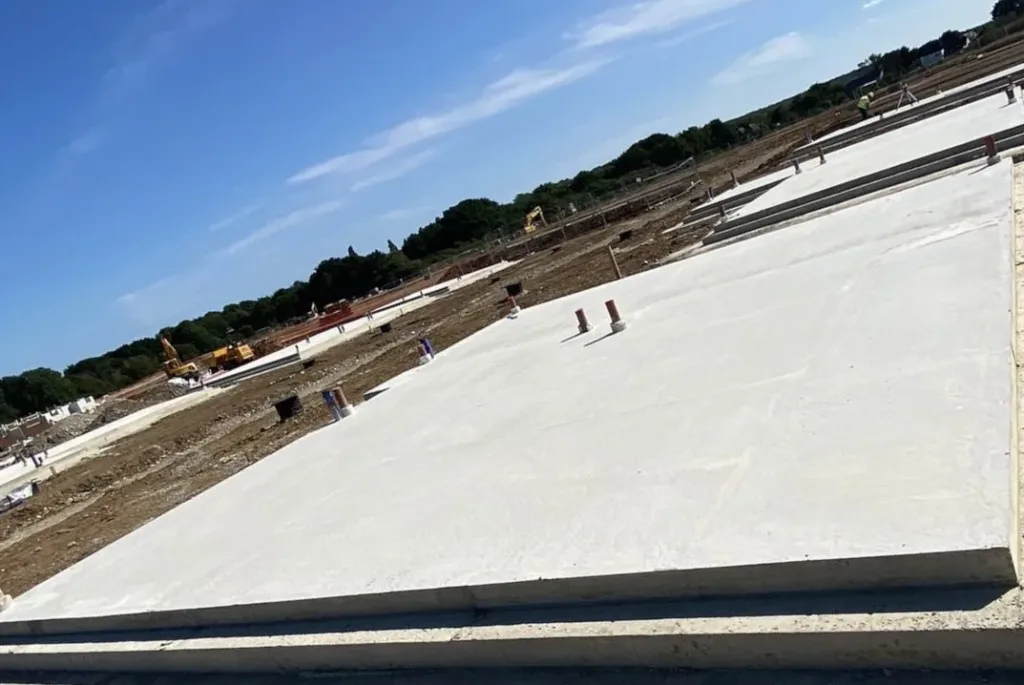
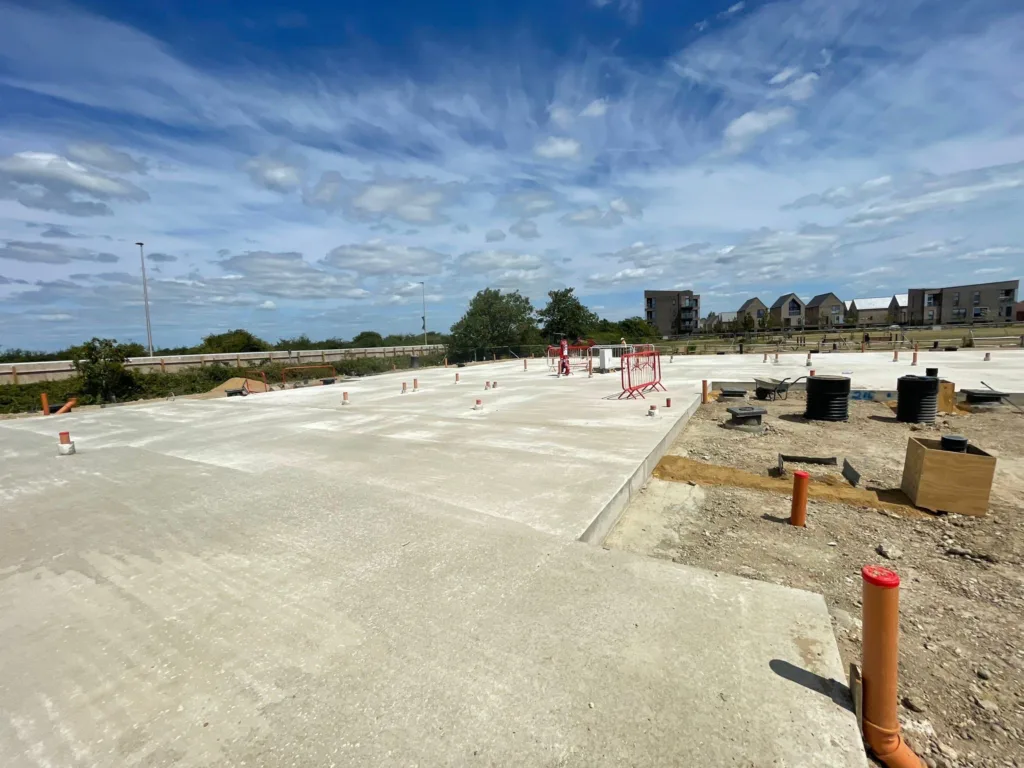
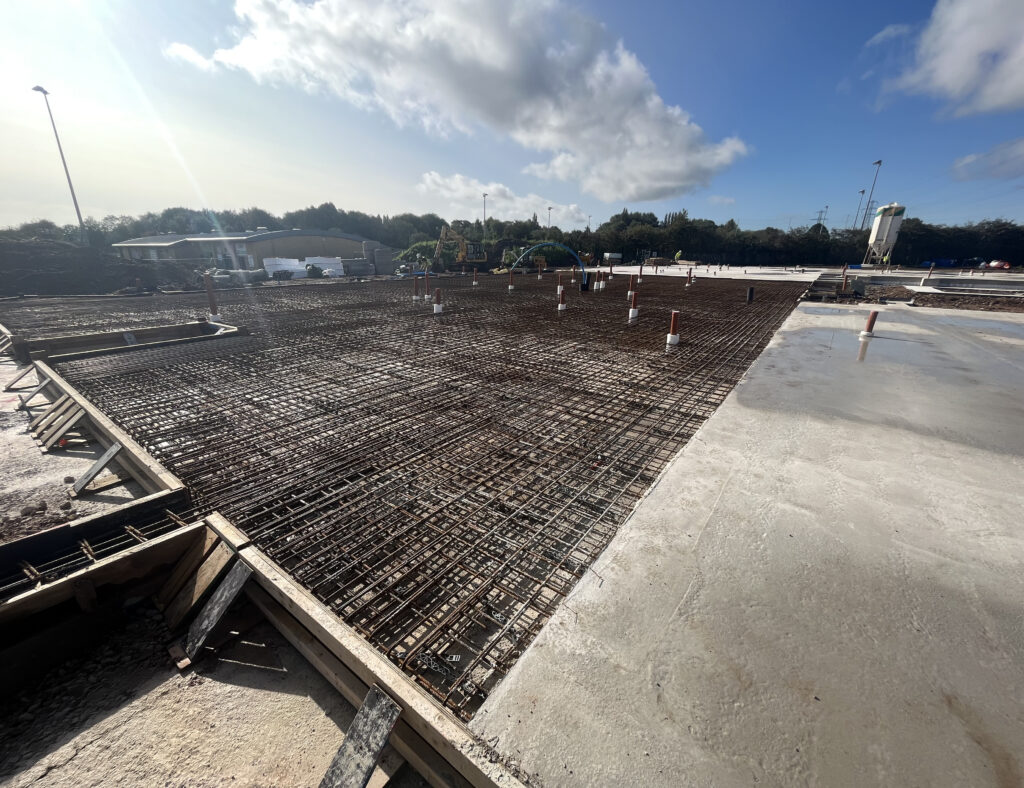
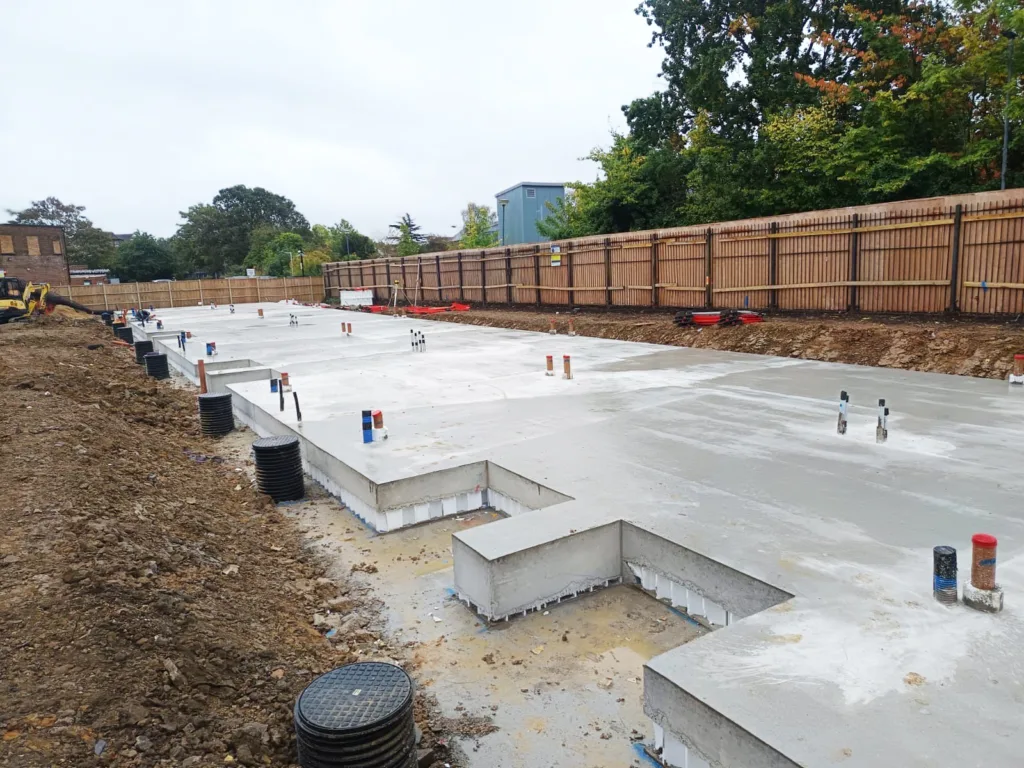
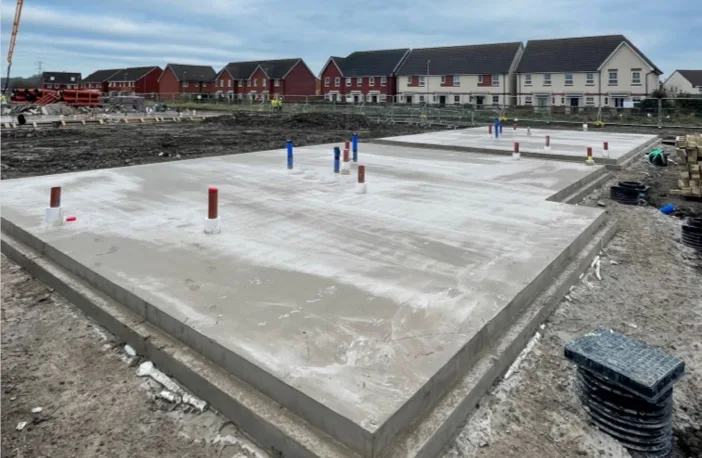
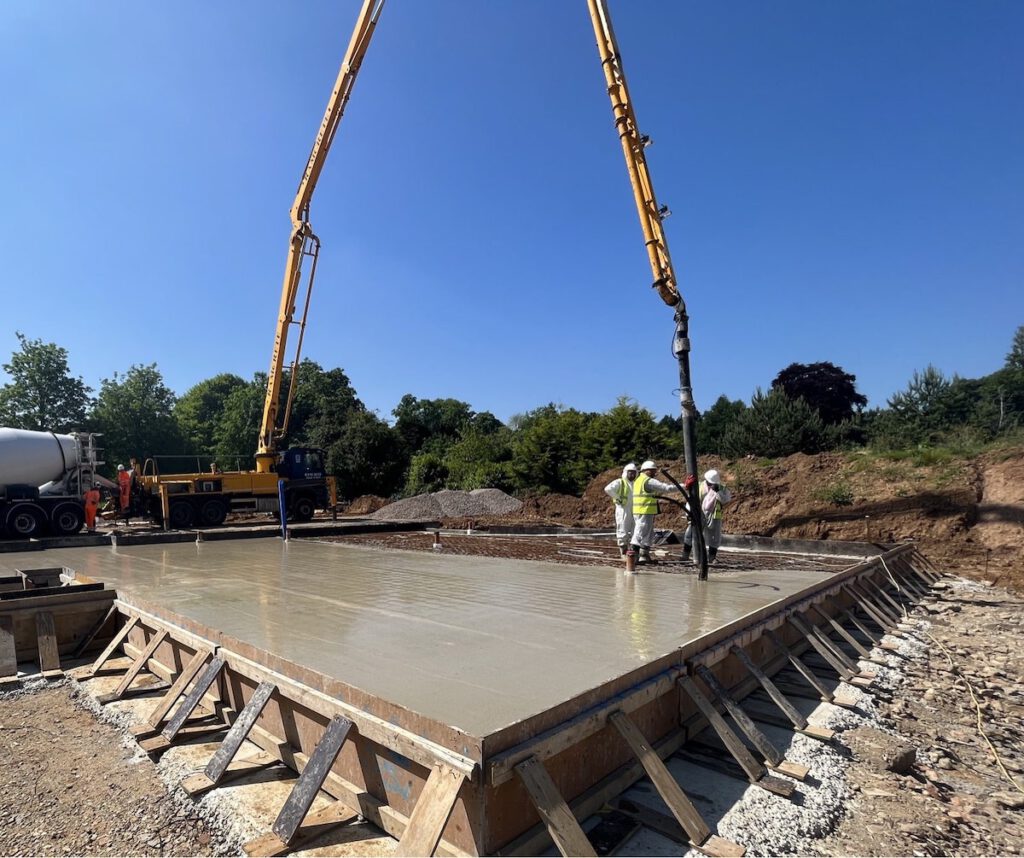
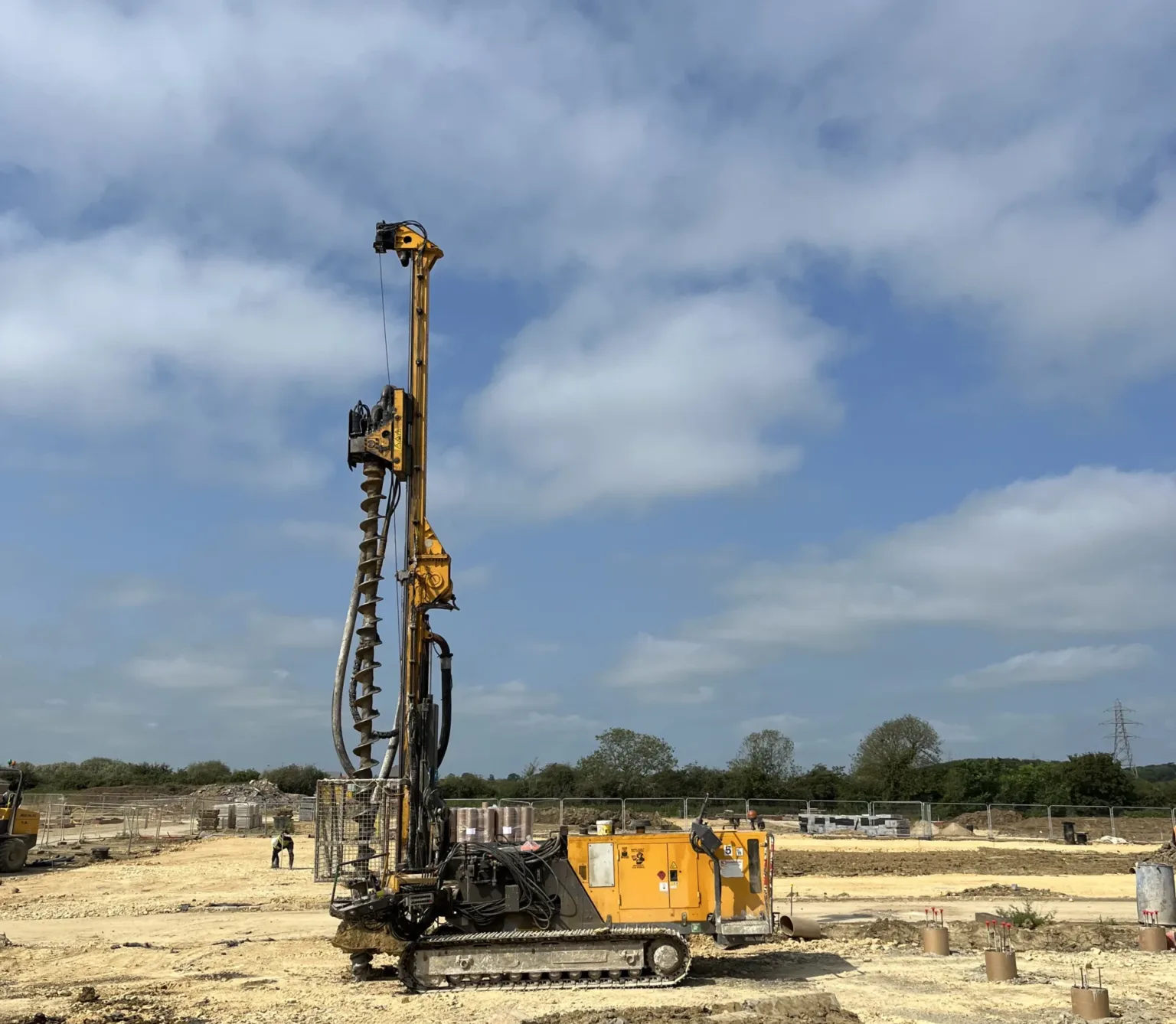
Our engineered piled raft foundation packages streamline commercial, care and residential developments. By combining a reinforced concrete raft slab with strategically positioned Continuous Flight Auger (CFA) or driven piles, our in-house engineering team delivers warrantied foundation solutions that bypass volatile surface soils to anchor directly into stable strata. All designs carry full LABC, NHBC, and Premier warranty approvals.
Our Technical Capabilities and Engineered Solutions
When looking at traditional deep strip or pile-and-beam foundations, often these can become highly uneconomical when facing severe site constraints. SPEEDECK’s integrated piled raft system is custom-engineered to overcome complex geotechnical challenges directly on-site, such as:
- Mitigation of London Clay Strata: Engineered specifically to counteract shrink-swell hazards and high plastic clay movements. Our designs integrate precise heave protection zones and slab thickness adjustments to secure structural integrity without requiring deep trench excavations.
- High Water Table Controls: Developed for sites suffering from shallow groundwater saturation. By limiting the required excavation to a standard site strip, our piled raft method entirely eliminates the need for extensive site de-watering, shoring supports, or deep pumping arrays.
- Brownfield and Saturated Made Ground: Formulated to address inconsistent bearing capacities, historical fill materials, and subsurface obstructions. The raft element acts as a robust load-spreading diaphragm, while deep piles transfer structural loads to secure lower bearing strata.
- Ground Gas Barriers (BS8485 Compliance): Our reinforced concrete elements can be detailed as watertight structures (Type B waterproofing). The completed raft serves as a verified gas barrier, achieving the 2.0-point metric required for CS2 and CS3 environmental regimes in combination with verified membrane installations.

Geotechnical Applications and Ground Constraints
Our engineering team conducts a finite element analysis (FEA) to customise piled raft layouts for variable or challenging sites. This allows us to deliver highly stable structural foundations where traditional systems fail:
- Engineering for London Clay: To counteract intense shrink-swell cycles and plastic movement common in regional clay deposits, our designs incorporate targeted pile arrays and load-bearing rafts to distribute stress evenly. This manages differential settlement without necessitating deep trench backfills.
- Structural Support on Made Ground: On brownfield or historic fill sites with highly inconsistent bearing capacities, our system uses deep continuous flight auger (CFA) or driven piles to bypass unstable surface layers, securely anchoring into lower bearing strata.
- High Water Table Mitigation: For coastal, low-lying, or flood-prone sites, our construction methodology avoids subterranean excavations beneath the water table. This removes the risk of trench cave-ins and eliminates the heavy operational costs of structural shoring and continuous site pumping.
Technical Performance and Material Efficiencies
SPEEDECK piled raft foundation packages are engineered directly by our in-house teams to secure optimal material savings, clean job sites, and fast project timelines for follow-on structural trades:
- Integrated Gas & Water Barriers: Our reinforced concrete (RC) elements can be designed as Type B watertight concrete systems. The seamless raft structure acts as a verified ground gas barrier, comfortably achieving a 2.0-point score under BS8485 compliance for CS2 and CS3 environmental regimes without requiring complex sub-floor ventilation layouts.
- Reduction in Concrete Waste: By utilising a balanced, singular-slab structural layout rather than deep ground beams, our packages regularly decrease overall concrete usage by up to 25%, drastically shrinking the embedded carbon footprint of your substructure.
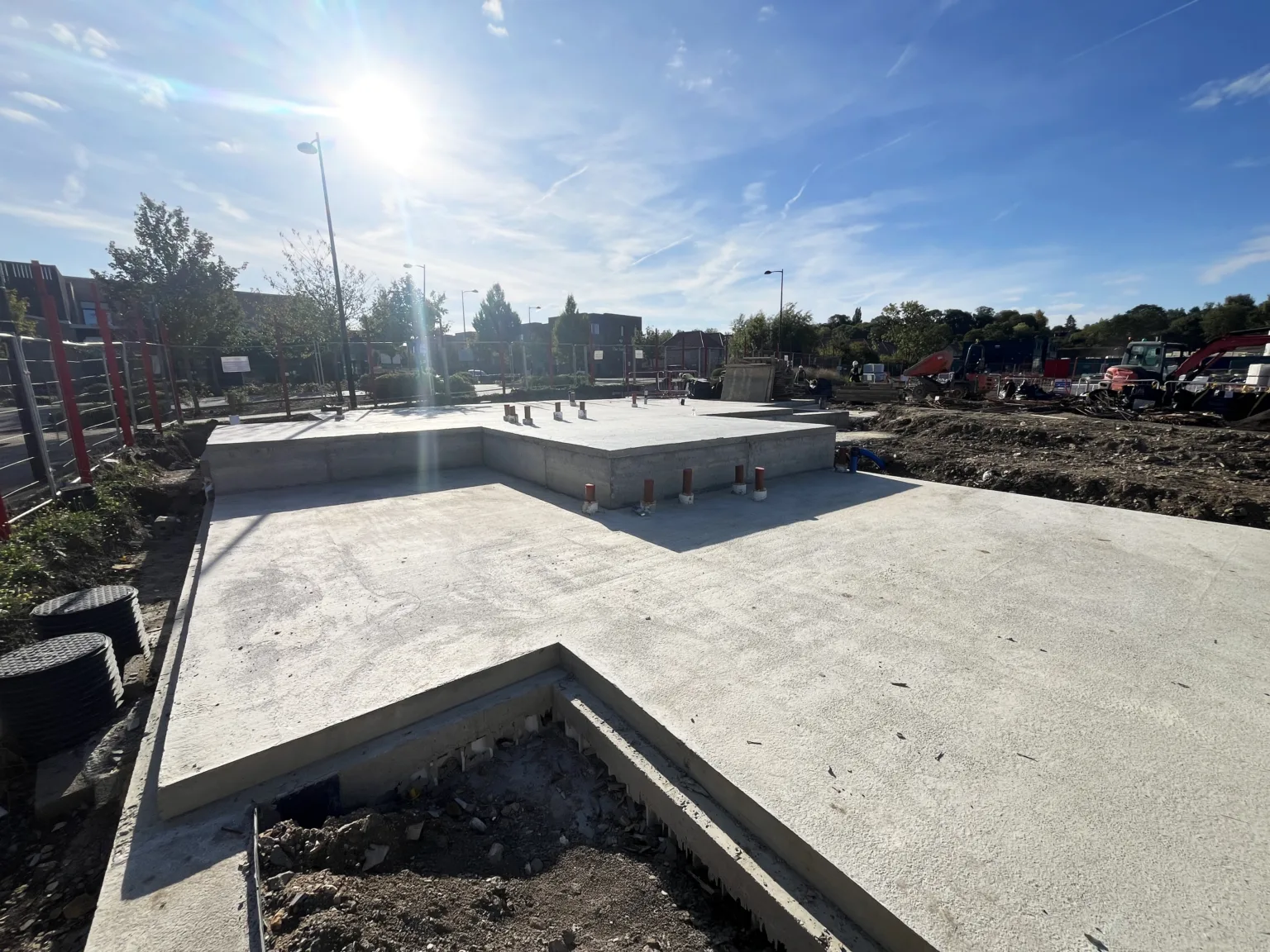
- Superstructure Compatibility: The resulting level, monolithic concrete slab features tight tolerances in verticality and surface straightness. This creates an immediate, highly organised working platform for rapid framing development, whether your project specifies structural masonry, timber kit, or light-gauge steel frames.
Commercial Approvals and Housing Warranties
Every foundation package designed and installed by SPEEDECK is engineered to full structural Eurocodes and British Standards. Our processes ensure swift structural handovers and effortless sign-offs with major national building inspectors:
- Warranty Provider Compliance: Fully approved and structured to meet the demanding criteria of the NHBC, LABC Warranty, and Premier Guarantee.
- Site Management Standards: Executed by dedicated, CSCS-certified piling crews working under strict CHAS and SMAS Worksafe health and safety compliance protocols.