
In the competitive world of housing development, time is more than money; it’s reputation, client satisfaction, and profitability rolled into one. Delays in the early stages of a project, especially during the foundation phase, can cause costly ripple effects throughout the build.
Fast-track foundation systems have become a game-changer for house builders who need to keep programmes on schedule, even when ground conditions, weather, or access constraints threaten to slow things down.
This guide explains how these systems work, when to use them, and how they can save both time and money while maintaining engineering integrity.
Why Foundation Delays Happen
Foundation delays often arise from a combination of factors. Unforeseen ground conditions (such as soft clays, made ground, or high groundwater) can force last-minute redesigns. In some cases, design coordination issues between structural, geotechnical, and services teams cause rework. On other sites, traditional methods like deep strip or trench-fill foundations take too long to excavate, prepare, and pour, especially if the weather turns.
When delays occur at this stage, every subsequent trade is pushed back, site preliminaries extend, and finance costs climb. The knock-on effect can turn a profitable scheme into a break-even one at best.
What Are Fast-Track Foundation Systems?
Fast-track foundation systems are engineered solutions designed to reduce construction time during the groundworks stage, which can be constructed reliably, catering to many unforeseen conditions. They combine advanced design, prefabrication techniques, and efficient installation sequences to minimise downtime.
Some of the most widely used options in the housing sector include:
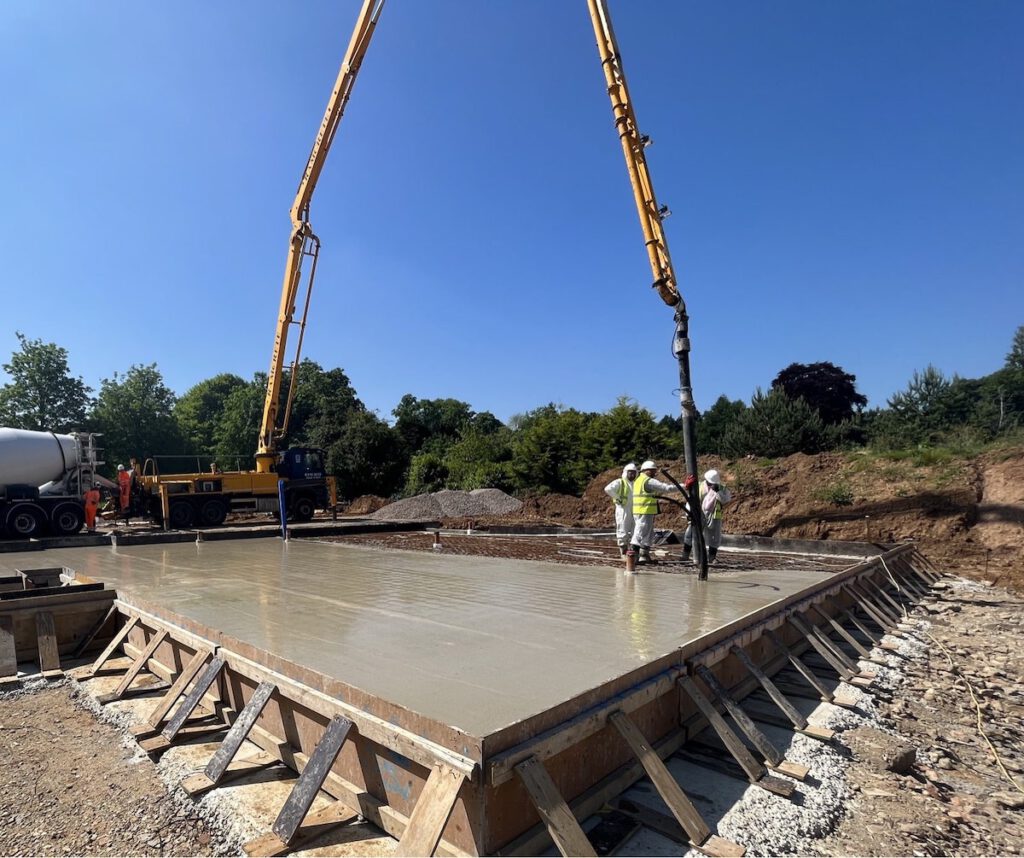
- Piled Raft Foundations – Combining a reinforced concrete raft with piles to bypass poor soils, installed quickly with minimal excavation.
- Ground-Bearing Raft Slabs – Engineered slabs poured directly onto improved ground, removing the need for deep trenching in certain conditions.

When to Choose a Fast-Track System
The right system depends on your ground conditions, design requirements, and programme priorities. In general, fast-track systems are best suited for:
- Sites with poor or variable soils where traditional shallow foundations require extensive excavation.
- Housing projects where rapid plot turnover is key to maintaining cash flow, especially for social housing, where foundation completion is tied to cash release.
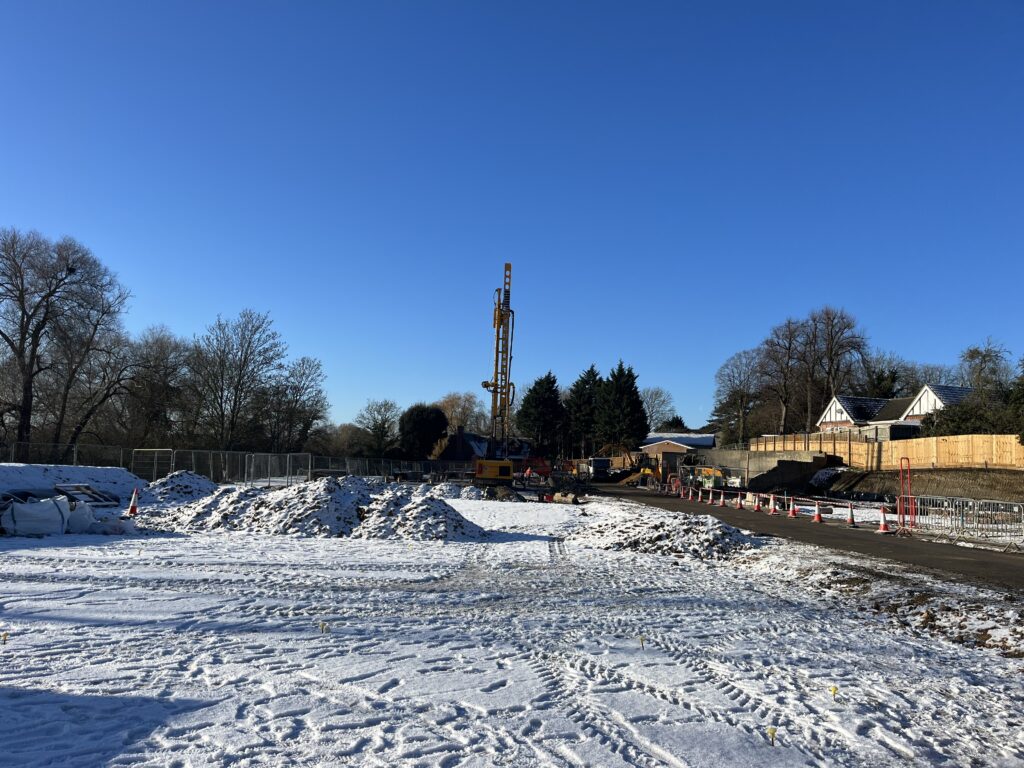
- Winter builds where cold weather, frost, or water ingress would slow down traditional methods, or even make them unviable.
Benefits of Fast-Track Foundation Systems for Housing Projects
Programme Certainty
By reducing risk exposure to poor weather conditions, eliminating unnecessary excavation, and streamlining installation, fast-track systems offer more predictable timelines, helping projects stay on track.
Reduced Ground Risk
Many systems, such as piled rafts, are less affected by variable soils, reducing the risk of costly redesigns after site investigation.
Lower Site Disruption
Less excavation means reduced spoil removal, fewer lorry movements, and less disturbance to neighbours and the surrounding area, a positive in urban and infill housing developments.
Improved Cash Flow
Faster completion of foundation stages allows superstructure works to start sooner, enabling phased handovers and earlier sales revenue.
Environmental Benefits
Less excavation and material use mean lower embodied carbon and reduced waste disposal.
Best Practices for Implementing Fast-Track Foundation Systems
Success with fast-track foundations comes down to early planning and integrated design. Before choosing a system:
- Carry out a Full Site Investigation – Understand the soil profile, groundwater conditions, and any contamination or ground gas risks.
- Engage Structural and Geotechnical Engineers Early – Collaborative design helps avoid clashes with drainage, services, and slab details.
- Consider Build Sequence – Choose a system that aligns with your preferred superstructure method (e.g. timber frame, masonry, modular build).
- Factor in Service Integration – Plan service runs and drainage routes into the foundation design from the start.
- Work with Experienced Contractors – Fast-track systems demand precision; experience ensures installation matches design intent. A one-stop solution which covers the above points is usually the best choice.
Conclusion
Delays in the foundation stage can jeopardise housing projects, but with the right fast-track system, you can reduce risk, save time, and maintain quality. By understanding the options available and choosing the right solution for your site conditions, developers can avoid costly programme overruns and deliver homes faster.
If you’re planning a housing development and want to explore which foundation system is best for your site, consider arranging a review. Early advice from experienced structural and geotechnical engineers can be the difference between a smooth build and a frustrating and costly delay.