Winter remains one of the most challenging periods for foundation and groundworks teams. Heavy rainfall, persistent waterlogging, reduced daylight hours and repeated freeze–thaw cycles all contribute to difficult working conditions and unpredictable ground behaviour. These pressures often translate into delays, increased costs and a noticeable drop in productivity. For many developers, the instinctive response is to slow down or postpone operations until conditions improve. Yet for housing schemes, infrastructure developments or mixed-use projects, this downtime can significantly impact overall programme delivery.
Piled raft foundations offer a practical, winter-resilient alternative. The system inherently requires less ground preparation, involves fewer weather-dependent sequences and performs reliably across varied geological and seasonal conditions. This combination makes it an ideal choice for maintaining programme certainty and operational continuity during the harshest months of the year.
The Problem with Traditional Foundation Methods in Winter
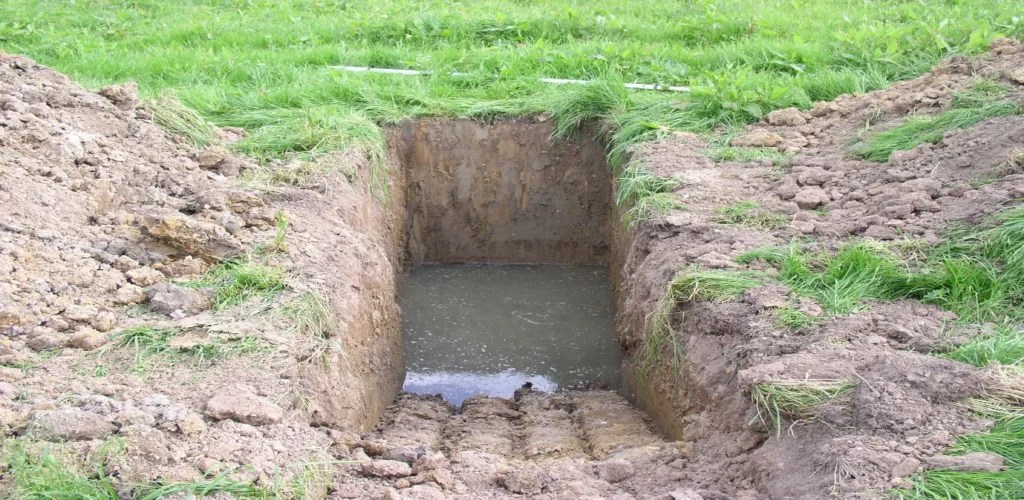
Traditional trench-and-strip foundation systems depend heavily on stable, dry ground. During winter, this reliance becomes a weakness. Saturated soils lose bearing capacity, trenches frequently fill with standing water and excavation walls often collapse in wet clays or granular soils. These weather-related disruptions result in repetitive pumping out, re-excavation and re-forming of trenches, all while concrete pour opportunities become restricted due to temperature limitations. As a result, even simple foundation works can stall for days or weeks waiting for acceptable ground and weather conditions.

Why Piled Rafts Perform Well in Winter Conditions
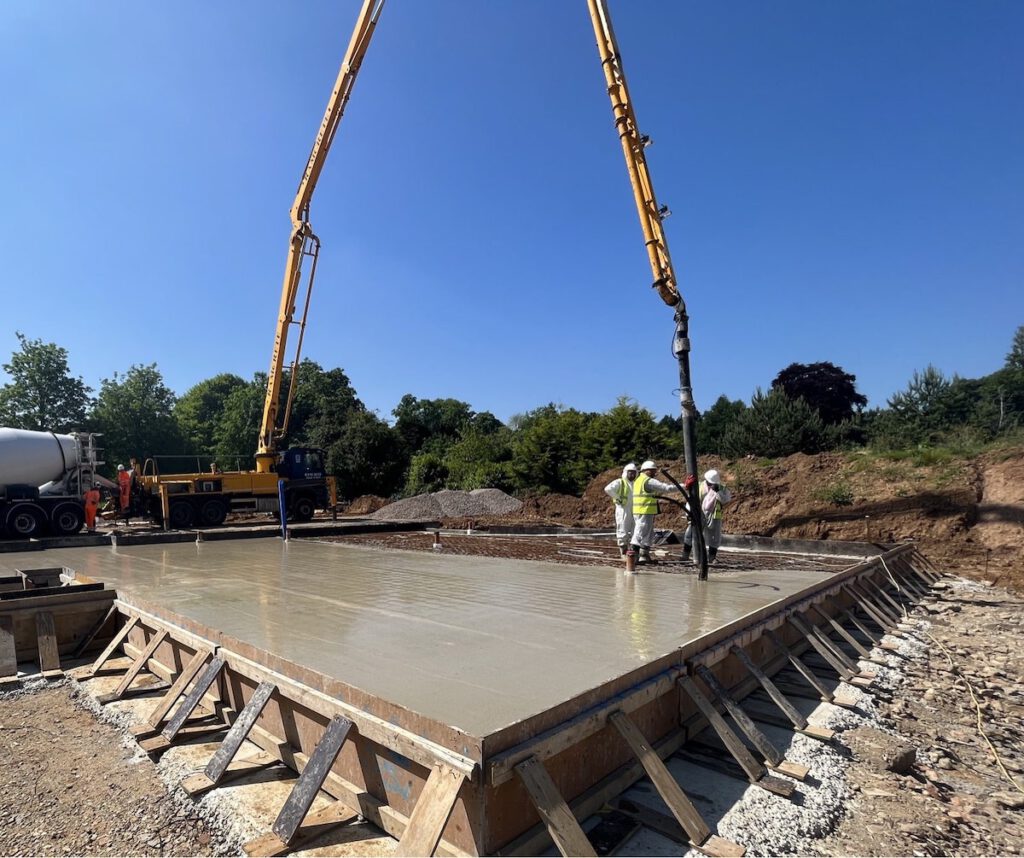
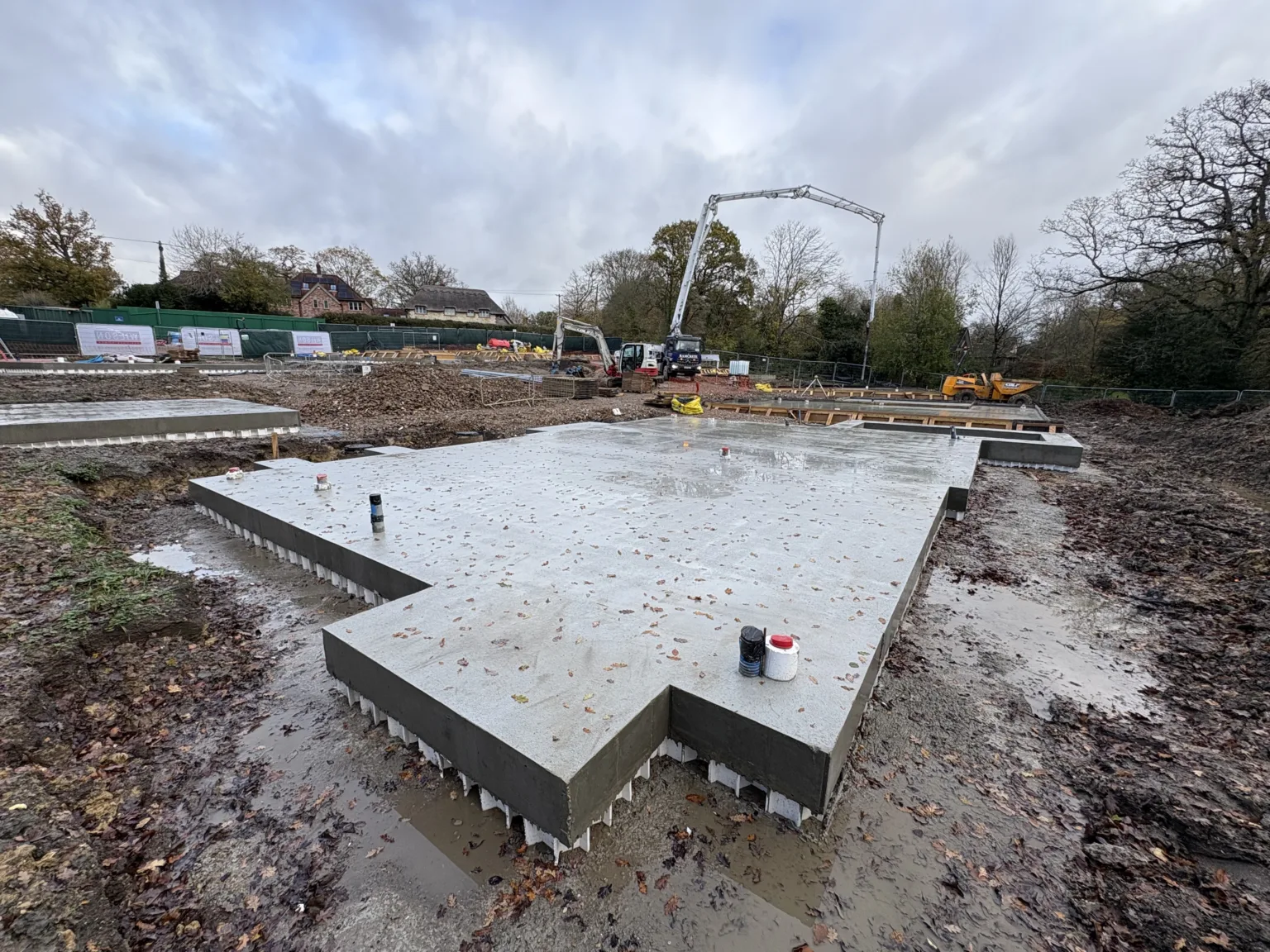
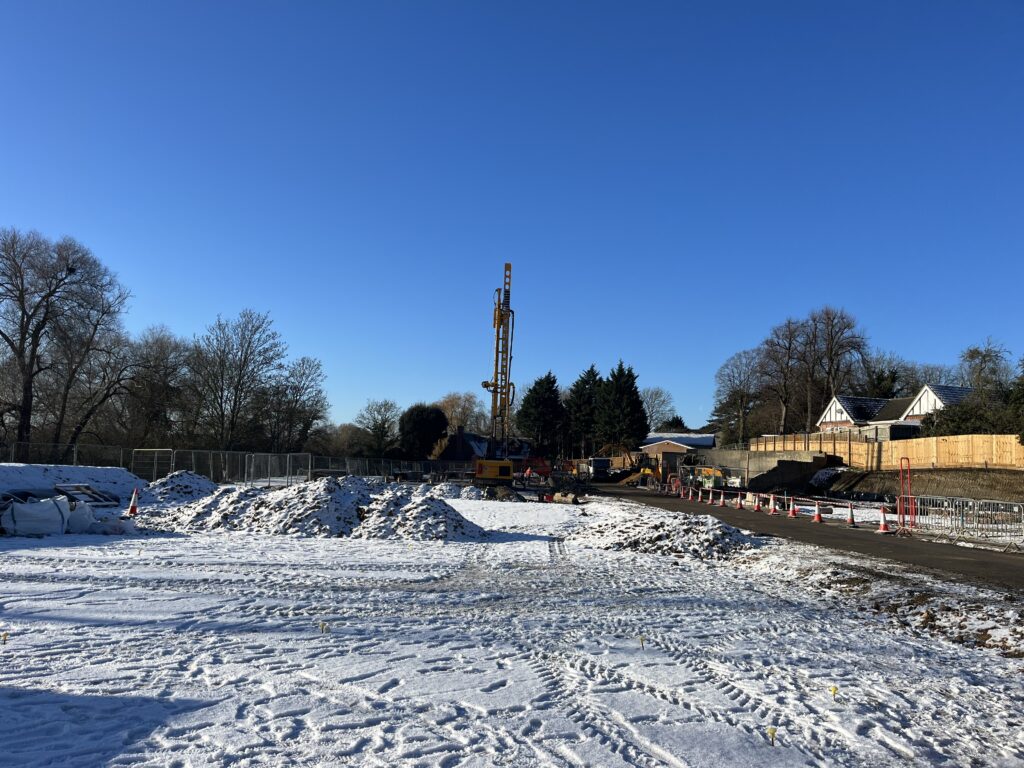
A piled raft foundation utilised relatively deep piles with a rigid raft slab. Because the system is less reliant on the performance of the upper soil layers, it avoids many of the weather-related complications associated with traditional, shallow foundation solutions.
One of the biggest advantages is the minimal excavation required. Typically, only a small excavation for blinding or a working platform is required. There is no need for deep trenches or wide excavation zones, which means the site generates far less spoil. This reduction is especially beneficial when ground becomes saturated, as wet spoil is expensive to handle, difficult to transport and often requires additional disposal measures.
Piled raft foundations offer a highly effective solution in winter conditions where surface soils may deteriorate due to frost. As explained in SPEEDECK’s article on frost heave and building foundations, the system works by transferring loads away from vulnerable upper layers and into deeper, frost-free soil. Seasonal softening, waterlogging, and freeze–thaw cycles have little effect on performance, since the raft distributes the loads to the piles, which are embedded into deeper stable strata. Even with high groundwater levels, the foundational capacity and resistance to settlement remain reliable because they are derived from these deeper, unaffected soils.
View our construction process here.
Programme, Logistical and Environmental Benefits
From a programme standpoint, piled rafts offer far greater predictability during winter. With minimal excavation and no deep trenches, progress is faster and less dependent on favourable ground conditions as the design is fixed and not subject to soil inspections during construction. Reduced spoil generation means fewer vehicle movements, less deterioration of haul routes and lower logistical overheads. This is particularly beneficial during winter months, when access routes frequently need additional maintenance due to heavy plant and adverse weather.
There is also a strong environmental benefit. With fewer lorry movements, lower concrete volumes and the removal of most ground improvement processes, piled rafts generate significantly lower carbon emissions. This reduction aligns well with the sustainability goals of housing providers, local authorities and developers looking to reduce their embodied carbon footprint.
Safety also improves because sites have fewer open excavations, fewer man-entry points and a lower risk of trench collapse. Winter is already high-risk due to slippery surfaces and reduced visibility, so eliminating the hazards associated with deep excavation can have a measurable impact on incident reduction.

Conclusion
Winter construction does not need to be defined by delay, disruption or escalating costs. Piled raft foundations substantially reduce the amount of weather-sensitive ground preparation required and provide reliable performance across the full range of winter ground conditions. For developers facing programme pressure, unpredictable weather windows or challenging soil profiles, adopting a piled raft system is one of the most effective ways to keep sites open and projects progressing throughout the winter