A ground-bearing raft can be an efficient foundation solution where the near-surface ground is capable of supporting the proposed loads. But it is not simply a case of choosing a raft because it uses less excavation or concrete. At SPEEDECK, the starting point is the ground. The foundation solution needs to reflect the geology, bearing capacity, settlement risk and any localised ground conditions identified through investigation and testing.

What is a ground-bearing raft?
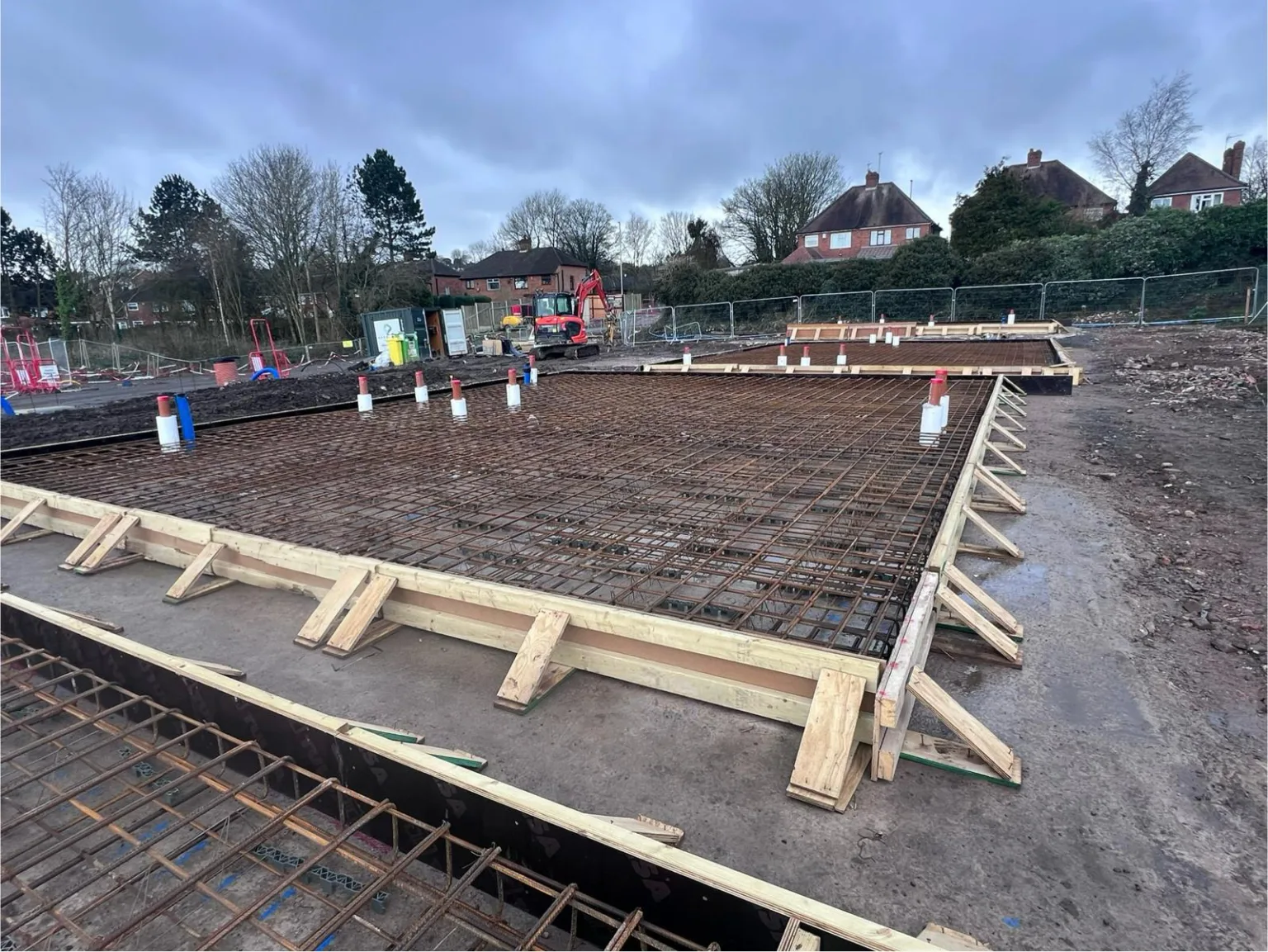
A ground-bearing raft is a reinforced concrete foundation that distributes building loads across a larger area and bears onto the prepared ground beneath. Unlike a piled foundation, the raft itself transfers the building loads into the supporting formation rather than relying on piles to transfer loads to deeper strata. That makes the condition and performance of the supporting ground particularly important.
The design therefore needs to consider: Ground conditions → bearing capacity → settlement → structural loads → foundation design → construction methodology.
It is this relationship that determines whether a ground-bearing raft is appropriate.

Crossways: designing around the ground
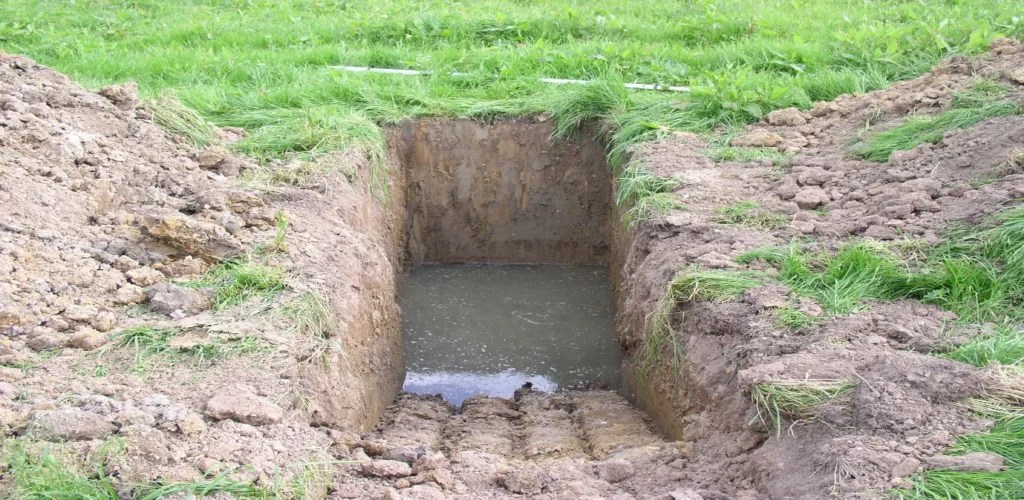
SPEEDECK’s Crossways project in Lower Shiplake, Oxfordshire, is a good example of why ground investigation needs to inform foundation design. The site comprised Seaford and Newhaven Chalk beneath Taplow Gravel, with dissolution features containing soft clay or completely weathered chalk. Rather than treating the site as having uniform ground conditions, SPEEDECK commissioned Cone Penetrometer Testing (CPT) to map and quantify the dissolution features.
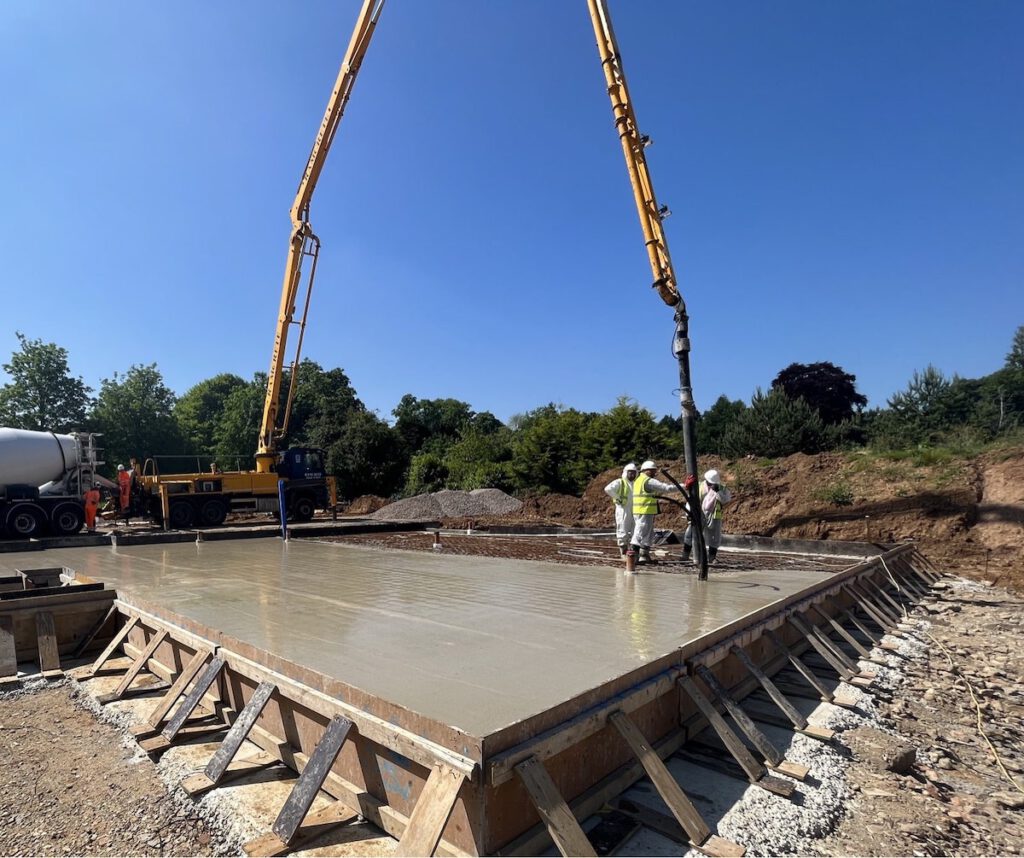
The investigation informed a ground-bearing raft solution combined with a reinforced granular mattress designed to span up to 3m internally and 1.5m around the perimeter. The proposed solution was reviewed with the project engineer and warranty provider before construction. The foundation works were then delivered in five weeks, including ground preparation, raft construction, shuttering and three concrete pours.
Where the environmental benefit comes from
The environmental benefit of a ground-bearing raft should not be treated as a blanket claim that the system is “greener”. It comes from designing an appropriate foundation around the actual site conditions. Where a ground-bearing solution is technically suitable, it can avoid unnecessary deep excavation and reduce the amount of material that needs to be excavated, transported or disposed of.
Likewise, an engineered ground improvement solution can be targeted at the specific ground condition rather than automatically adopting a deeper or more intensive foundation system across the whole site. The most efficient solution is therefore not necessarily the one using the least concrete. It is the one that provides the required structural performance without introducing unnecessary construction.
From investigation to construction – this is where SPEEDECK’s approach differs from simply supplying a foundation system.
Our work can bring together:
- Geotechnical investigation – understanding the ground and identifying potential risks
- Engineering and design – developing the foundation solution around the ground conditions and building requirements
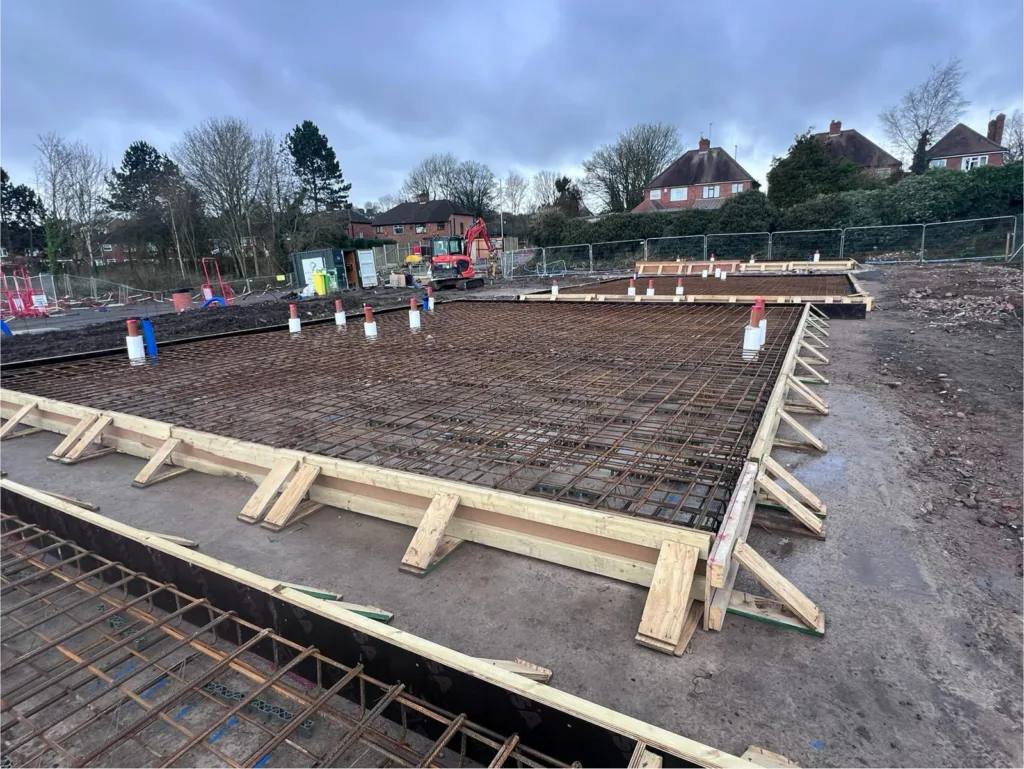
- Construction – delivering the designed solution on site, including formation preparation, reinforcement, concrete and associated works
- Verification and QA – checking that the constructed foundation and engineered ground treatment meet the design requirements.
For Crossways, this included validating the reinforced granular mattress, managing the existing drainage and coordinating the concrete pours around site constraints.
When to choose ground-bearing or another foundation solution?
A ground-bearing raft is not automatically the best option, on some sites, the ground conditions or building loads may require a piled, piled raft or alternative foundation solution. The important question is therefore not: “Can we use a ground-bearing raft?” it is: “What foundation solution provides the right technical performance for this ground and this development?”
That is the assessment SPEEDECK can undertake at the early design stage, helping developers and contractors understand the available options before committing to a foundation system. If you want to see our foundation construction in a handy step-by-step video, watch our step-by-step construction process here.