Updated: 04/11/2026
Strip foundations are usually the cheapest choice on firm, consistent ground where a shallow trench reaches good bearing. A raft foundation is usually the better choice when the ground is weak, variable, wet or with localised soft spots, because it spreads the building’s load across the whole footprint instead of concentrating it under the walls, and can span over soft areas. On many housing and later-living schemes, a raft also cuts excavation, muck-away and programme time but have you ever considered the differences of a raft foundation vs strip foundation?
What is a strip foundation?
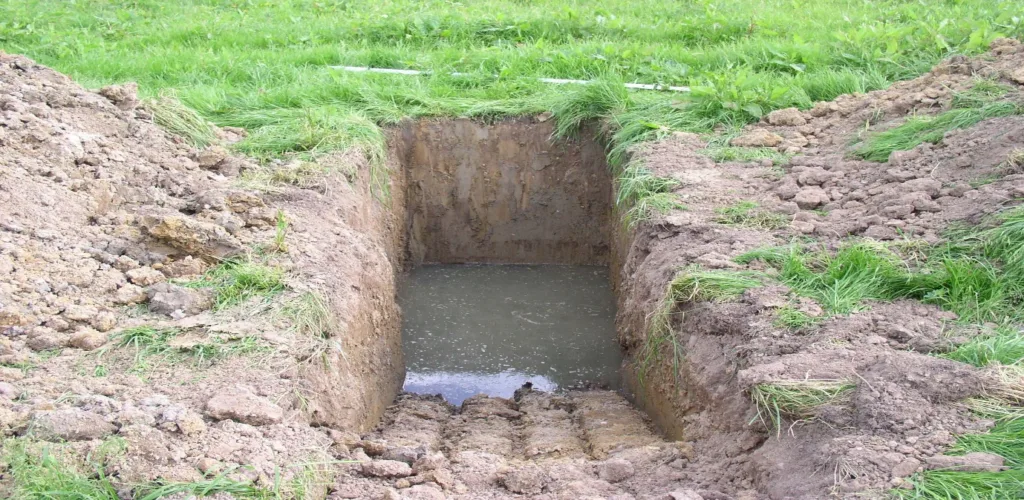
A strip foundation (or strip footing) is a continuous strip of concrete laid in a trench under each load-bearing wall. It carries the wall’s load down to firm ground. A deep strip or trench-fill foundation is the same idea taken deeper, filled with concrete almost to ground level, used where good bearing ground or the required depth on clay is further down.
What is a raft foundation?
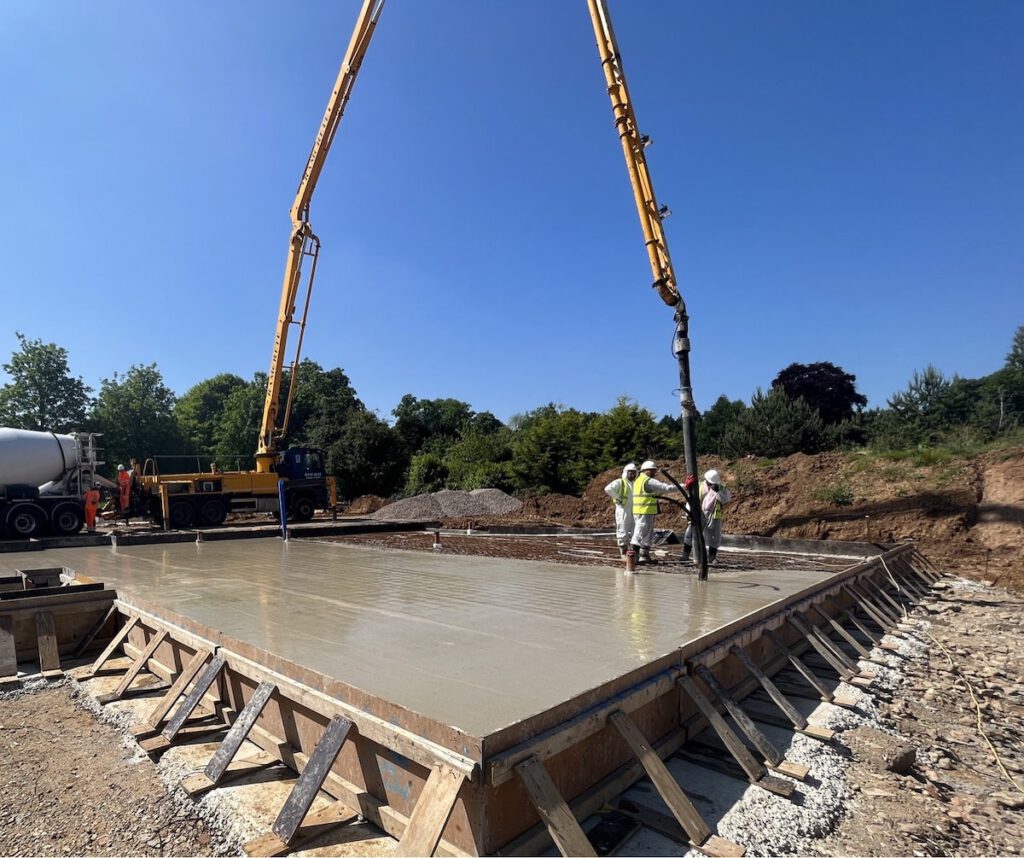
A raft foundation is a reinforced concrete slab that covers the whole footprint of the building. Because the load is spread over a large area, the pressure on the ground is much lower than under a strip. Where the ground can’t carry even that, the raft can sit on piles: a piled raft.
How Load Transfer Differs
To properly evaluate structural viability, engineering teams must look beyond initial excavation costs and analyse how each system interacts with the underlying strata:
Strip foundations: line loads on a narrow footing
Strip and trench-fill foundations carry wall loads down to a narrow band of concrete at founding level. They work well where there’s consistent, competent ground at a reasonable depth. If that ground varies across the footprint, or the trench has to keep going deeper to find it, the risk of differential settlement and the cost both rise quickly.
Raft foundations: load spread across the footprint
A raft is a continuous reinforced concrete slab under the whole building. Because it spreads the load over a much larger area, the bearing pressure on the ground is lower. Its stiffness also helps it bridge local soft spots that would cause problems for a strip.
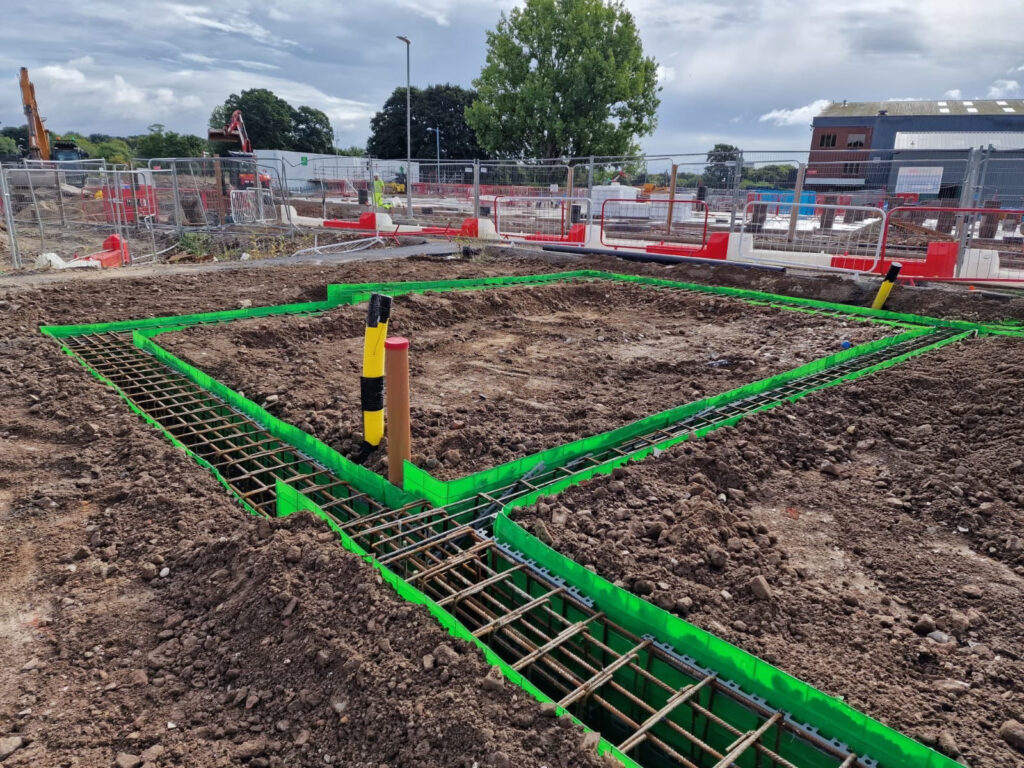
Strip Foundations from SPEEDECK Foundations
Geotechnical selection criteria: when a raft makes more sense
Continuing to specify deep strip foundations on complex sites leads to unpredictable groundworks delays and unexpected budget increases. These are the site conditions where a raft, or a piled raft, usually becomes the better option.
Variable ground and Made Ground
On brownfield sites and old fill, density can change every few metres. A strip transfers each wall load to whatever sits directly beneath it. A raft or piled raft, depending on the depth of fill, spreads the load across the footprint, reducing the risk of differential settlement.Shrinkable clay
In clays with medium to high volume change potential, NHBC Chapter 4.2 sets minimum strip depths of 0.75–1.0m to get below seasonal moisture movement. That’s before any trees are taken into account.Trees
Trees are what usually push strips deep. Depending on species, distance and soil plasticity, depths can pass 2.5m, at which point NHBC requires an engineer-designed foundation. Where trees have been removed, the clay can also swell back, so heave protection is needed beneath the foundation.High groundwater
Deep trenches below the water table can need dewatering and become unstable. A raft keeps excavation shallow, which in most cases keeps the works above groundwater. More on foundations for high water tables.When a raft needs piles
If there’s no competent bearing stratum near the surface, for example deep Made Ground, soft alluvium or a heave risk, a ground-bearing raft isn’t enough. A piled raft transfers the structural loads through piles to deeper, stronger ground, with heave protection beneath the slab where needed. How piled rafts work and when they make sense.
On site: Cheshunt Park Farm
At Futura Phase 1 in Cheshunt, the ground was Made Ground over Dollis Hill Gravel and London Clay, with trees scattered across the site. Strips would have meant chasing depth plot by plot. Instead, we delivered 23 piled rafts across 2,561m² for 24 homes, with full heave protection on the plots within tree influence, on a 12-week foundation programme. Watch the Cheshunt video here.

Ground Bearing Raft Foundations with SPEEDECK Foundations
Strip vs raft vs piled raft foundations
| Strip foundation | Raft foundation | Piled raft | |
|---|---|---|---|
| How it carries load | Narrow strip under each wall | Slab spreads load over the whole footprint | Slab shares load with piles to deeper ground |
| Best ground | Firm, consistent, shallow bearing | Weak, variable, high water table | Very soft ground, peat, deep fill, heave |
| Excavation and muck-away | High on clay or where depth increases | Low: shallow dig | Low dig, plus piling |
| Tree influence and shrinkable clay | Depth increases, can become deep trench fill | Can be designed to cope but will require more dig out | Handles high movement risk |
| Programme | Fast on good ground, slow if trenches deepen | Fast: often slab and foundation in one | Piling plus slab, still fewer stages than piles and beams |
The right answer depends on your ground investigation, loads and programme, not a rule of thumb. That’s why we offer design and build foundation packages: we take the site investigation, design the foundation, and install it, so one team carries the risk from ground to slab.

Piled raft foundations from SPEEDECK Foundations
The Monolithic Efficiency Advantage
Beyond pure concrete volumes, selecting an engineered raft simplifies the construction sequence for follow-on structural framing teams.
Because the finished raft slab serves as both the load-bearing foundation and the immediate, level ground floor deck, it entirely removes the need to schedule subsequent beam-and-block flooring installations or extensive substructure brickwork underbuilds.
By compressing these two distinct construction phases into a single, highly controlled concrete pour, developers regularly cut days off the substructure schedule. This allows framing crews to begin erecting timber, steel, or masonry structures on an organised, high-tolerance working platform immediately.
Advantages and disadvantages of strip and raft foundations
Strip foundations
Advantages:
- Simple, familiar to every groundworker and building control officer
- Usually the cheapest option on firm, shallow, consistent ground
- Little reinforcement or specialist design needed
Disadvantages:
- Depth, concrete and muck-away rise quickly on clay, near trees or where good ground is deep
- Poor fit for weak, variable or made ground and high water tables
- Trenches can collapse or flood in wet weather, slowing the programme
Raft foundations
Advantages:
- Spreads load across the footprint, so it suits weak or variable ground
- Shallow excavation means less muck-away and fewer trench hazards
- Foundation and ground floor slab can be built together, saving programme time
- Copes better with differential settlement
Disadvantages:
- Needs engineering design and more reinforcement
- Can cost more than strips on good ground
- Edge detailing and drainage need care on sloping sites
Not sure whether your site needs strips, a raft or a piled raft? Send us your site investigation report and our engineers will tell you which foundation fits, what it will save in excavation and programme, and how our design and build foundation package would work on your scheme.
Raft and strip foundations: FAQs
What is the difference between a strip and a raft foundation? A strip foundation is a narrow strip of concrete under each load-bearing wall. A raft is a reinforced slab under the whole building, spreading the load over a much larger area, so it puts far less pressure on the ground.
When are strip foundations no longer suitable? When good bearing ground is too deep, the soil is weak or variable, there’s made ground or a high water table, or trees on shrinkable clay push the required depth up. Where trees and shrinkable clay are the issue, a piled raft is usually the answer. Read more in when are strip foundations no longer suitable?
How deep do strip foundations need to be on clay? It depends on how much the clay shrinks and swells and how close trees are. NHBC Standards Chapter 4.2 sets minimum depths (0.75 to 1m depending on soil volume change potential), which increase near trees. Where depths climb, a raft is often cheaper.
Is a raft foundation more expensive than a strip foundation? On firm, shallow ground a strip is usually cheaper. On poor ground, once you add deeper digging, extra concrete and muck-away, a raft often costs less overall, even for piled rafts.
Can you use a raft foundation with a high water table? Yes. A raft’s shallow dig avoids deep, flooding trenches. See the best foundation solution for a high water table.
Are raft foundations quicker to build? Often, yes. Less excavation and building the foundation and ground floor slab together can shorten the programme, as on the Cheshunt Park Farm piled raft scheme above.
Updated: 04/11/2026